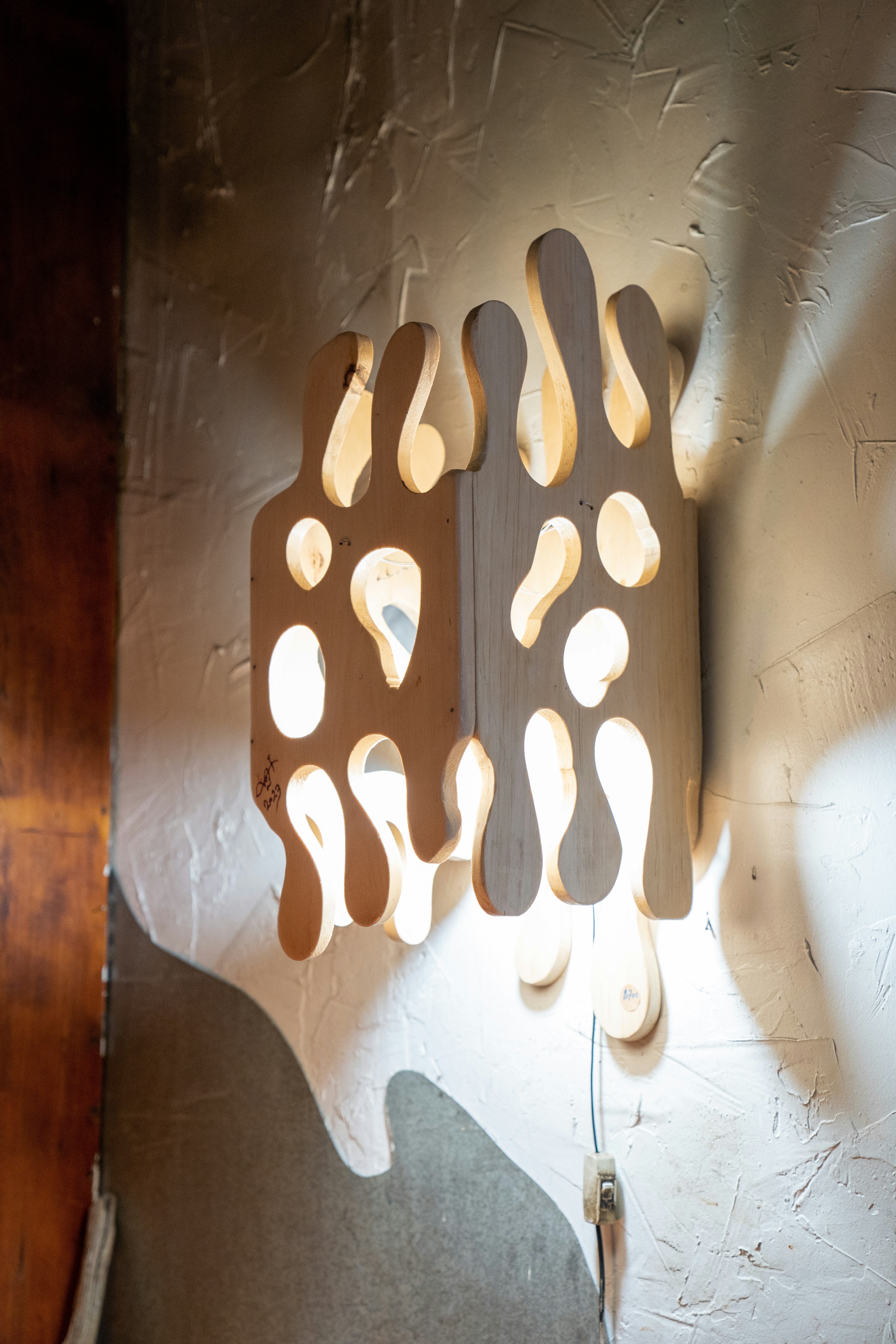
Project Description
Curious about how geometry comes to life? In this project, students explore polyhedra not only as abstract shapes but also as practical objects in design, architecture, and crafts. The project combines mathematical reasoning with hands-on construction to create tangible models.
Participants start by examining the nets of different polyhedra, selecting parameter values, and building paper models using compass and ruler constructions. These paper models are then used as templates to create clay versions, adding a layer of practical craftsmanship. Finally, the clay models are decorated, equipped with basic electrical components, and transformed into a final functional product.
Throughout the project, students learn to connect theoretical geometry with real-world applications, develop spatial reasoning skills, and practice precise measurement and construction techniques.
Gallery
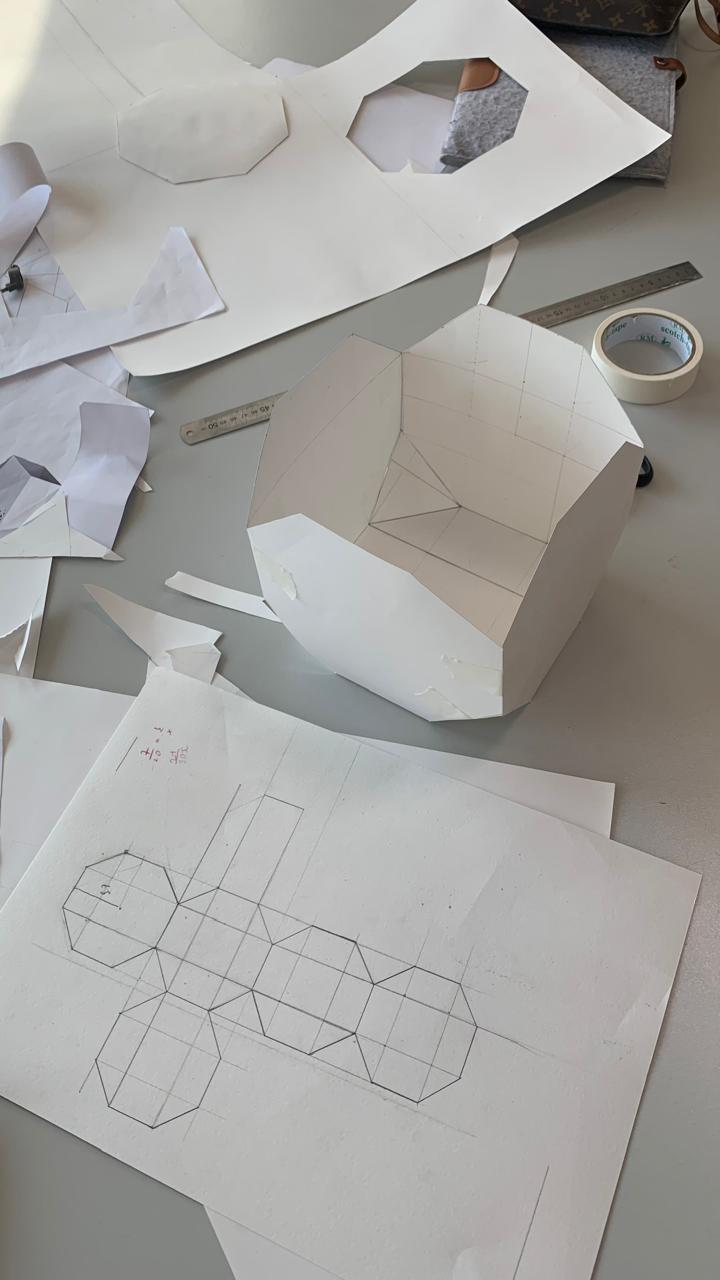
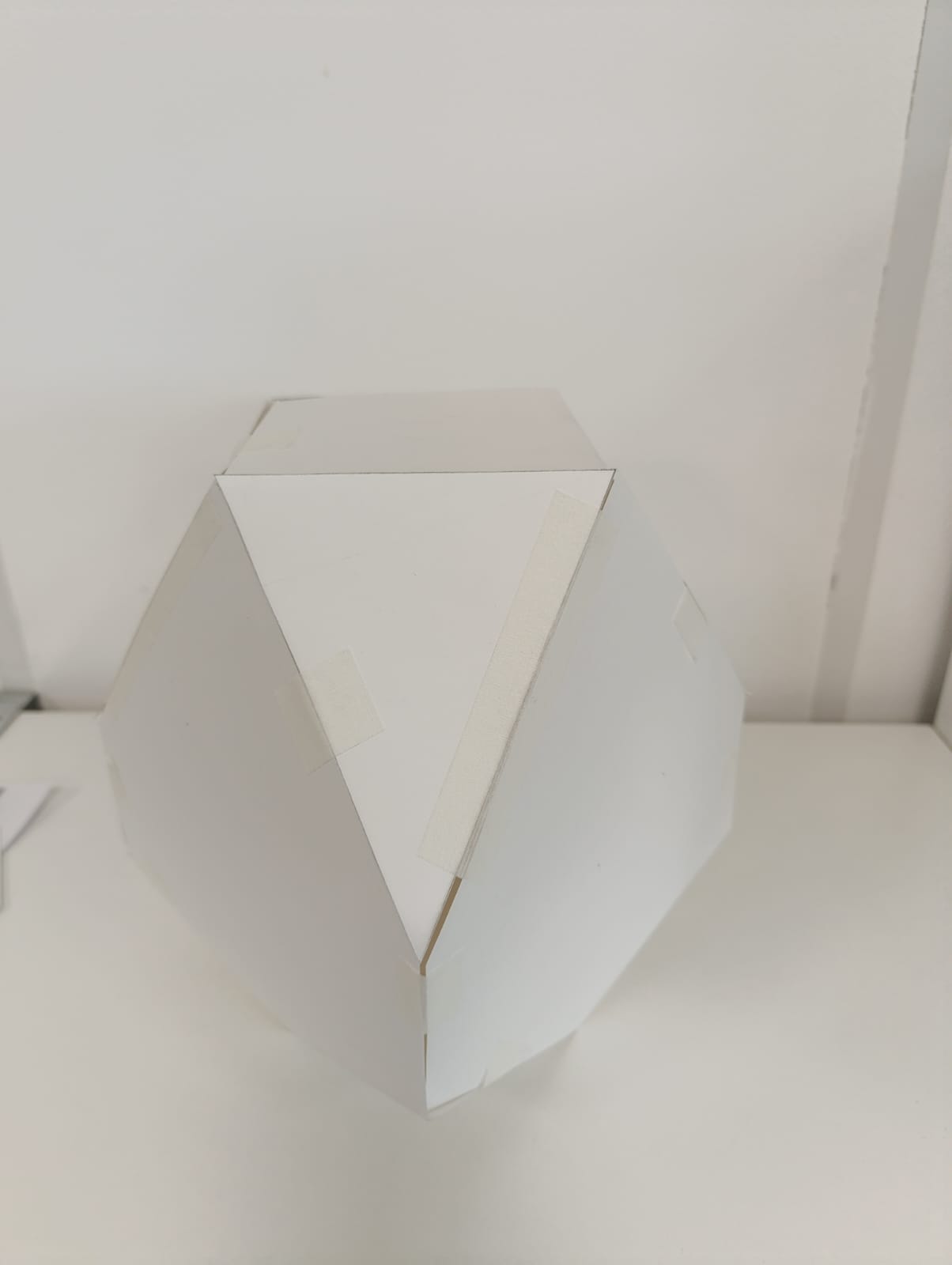
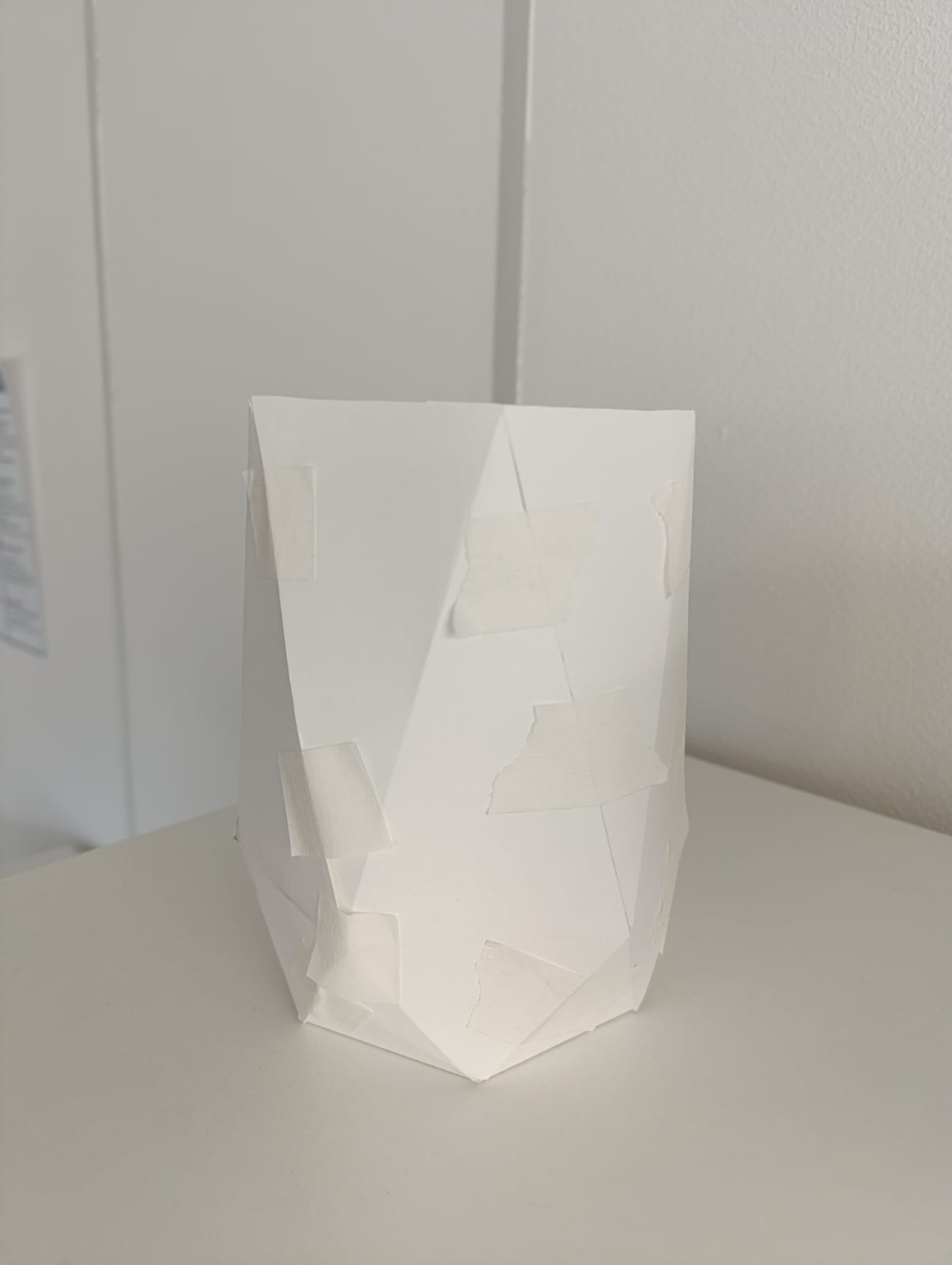
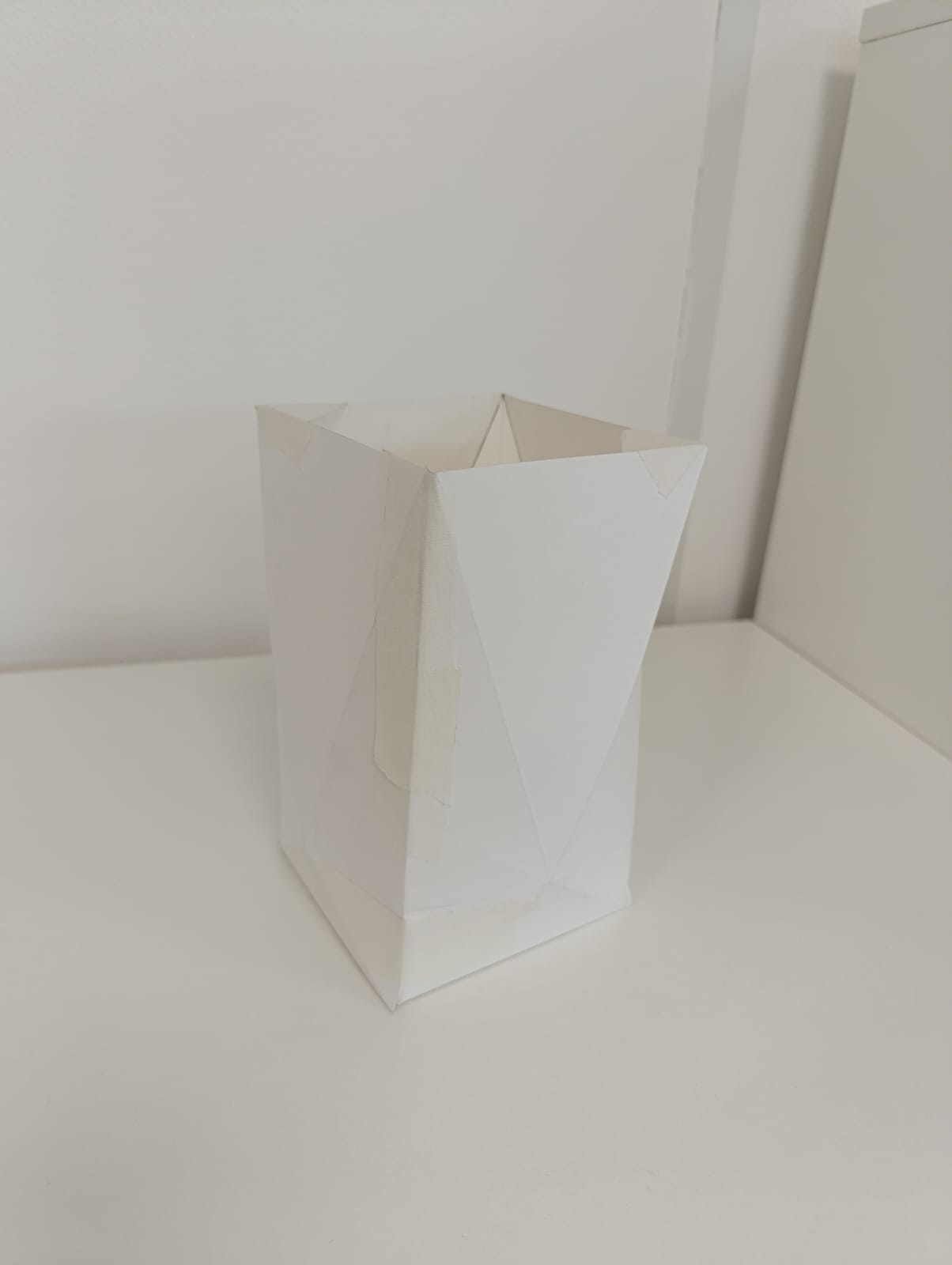
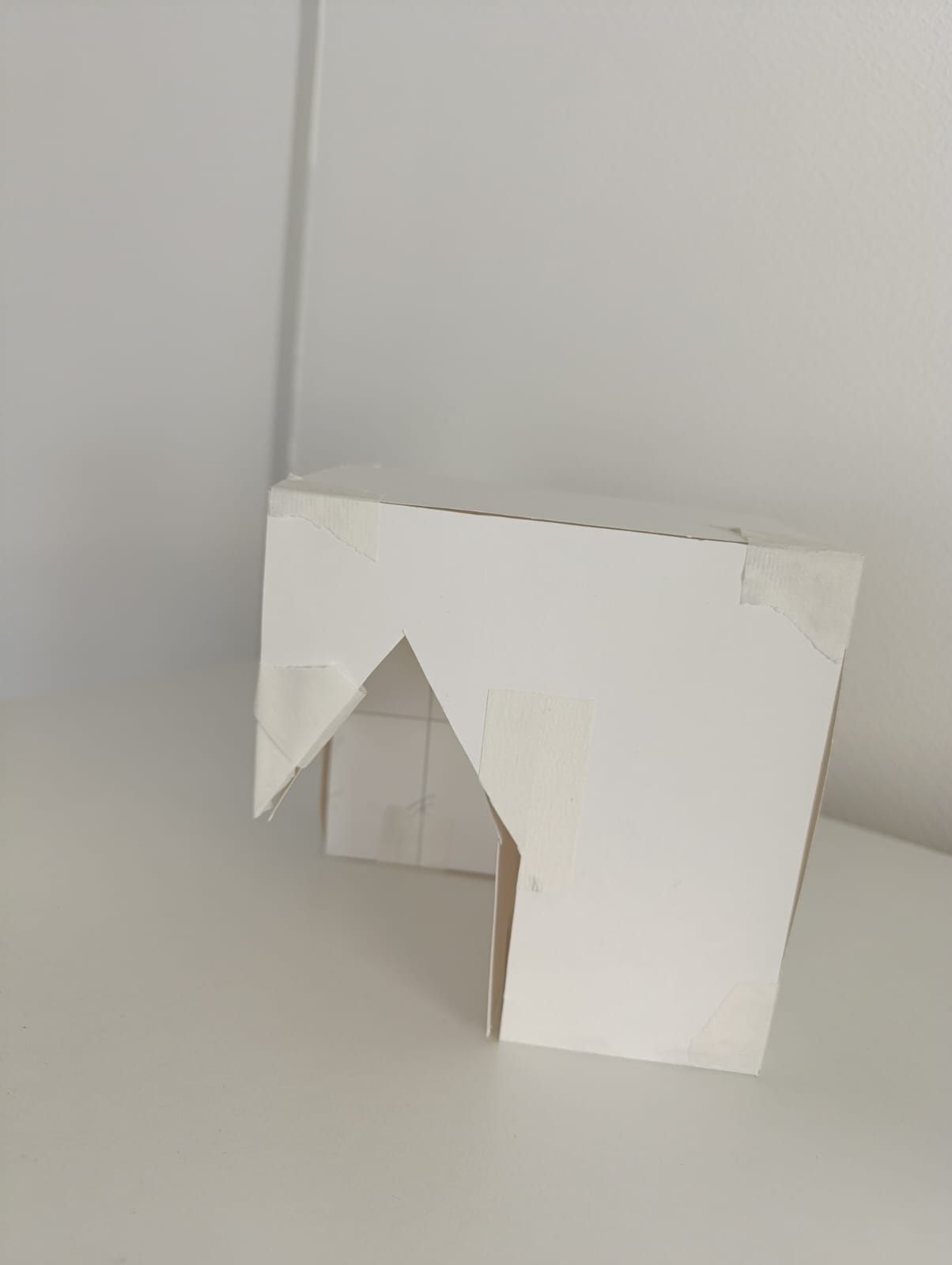
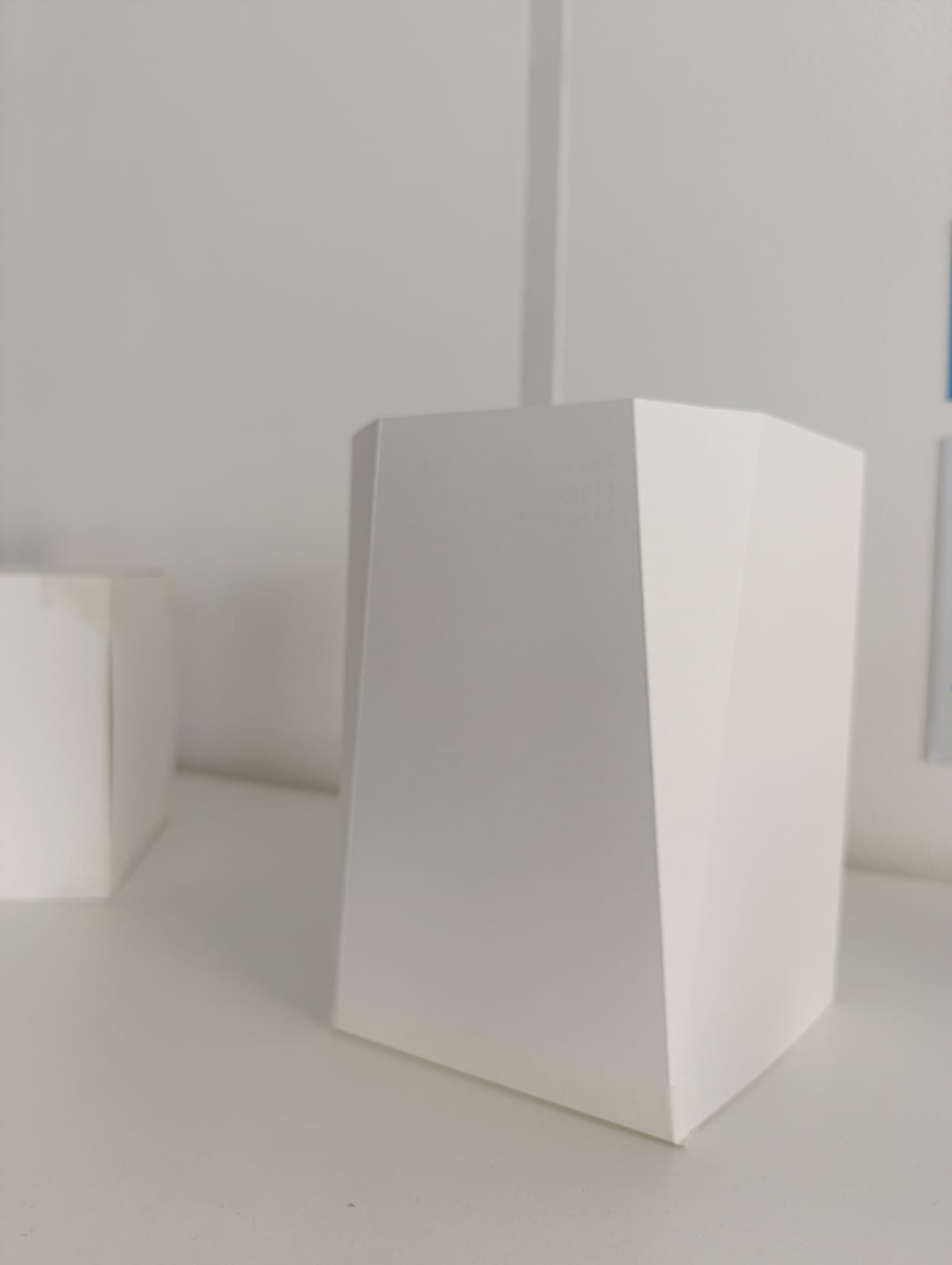
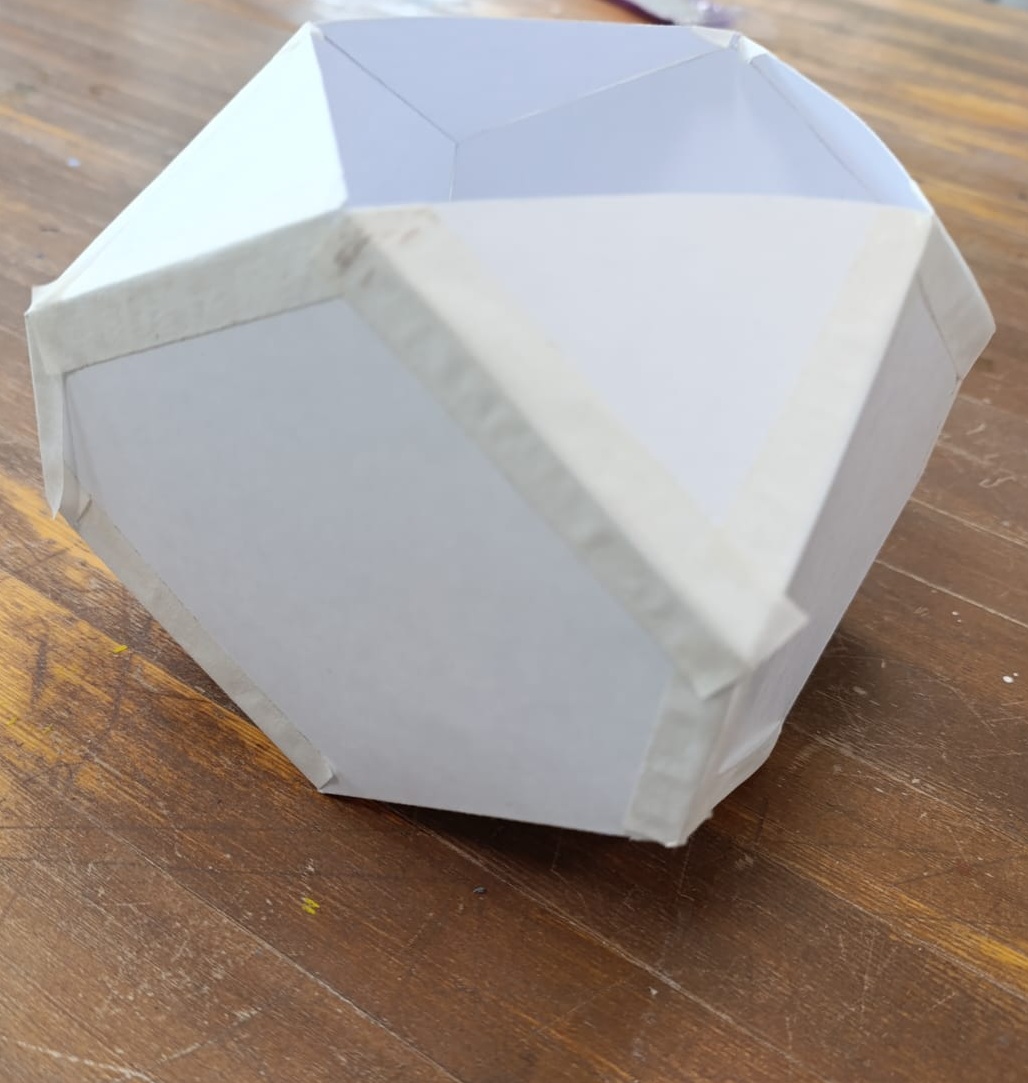
Stage 1: Exploring Polyhedron Nets
At the first stage, students study the nets of various polyhedra and select appropriate parameter values for their models. Using compass and ruler constructions, they carefully build paper versions of the polyhedra, paying attention to correct measurements and angles.
Each student constructs individual polyhedra based on their chosen parameters, documenting key measurements such as edge lengths, angles, and face arrangements. The results are compiled into separate A5 PDF slides, providing a clear visual representation of each model.
This stage develops precision in geometric construction, strengthens spatial reasoning, and lays the foundation for transferring paper models into more durable materials in the next stage.
Gallery
Stage 2: Clay Model Construction
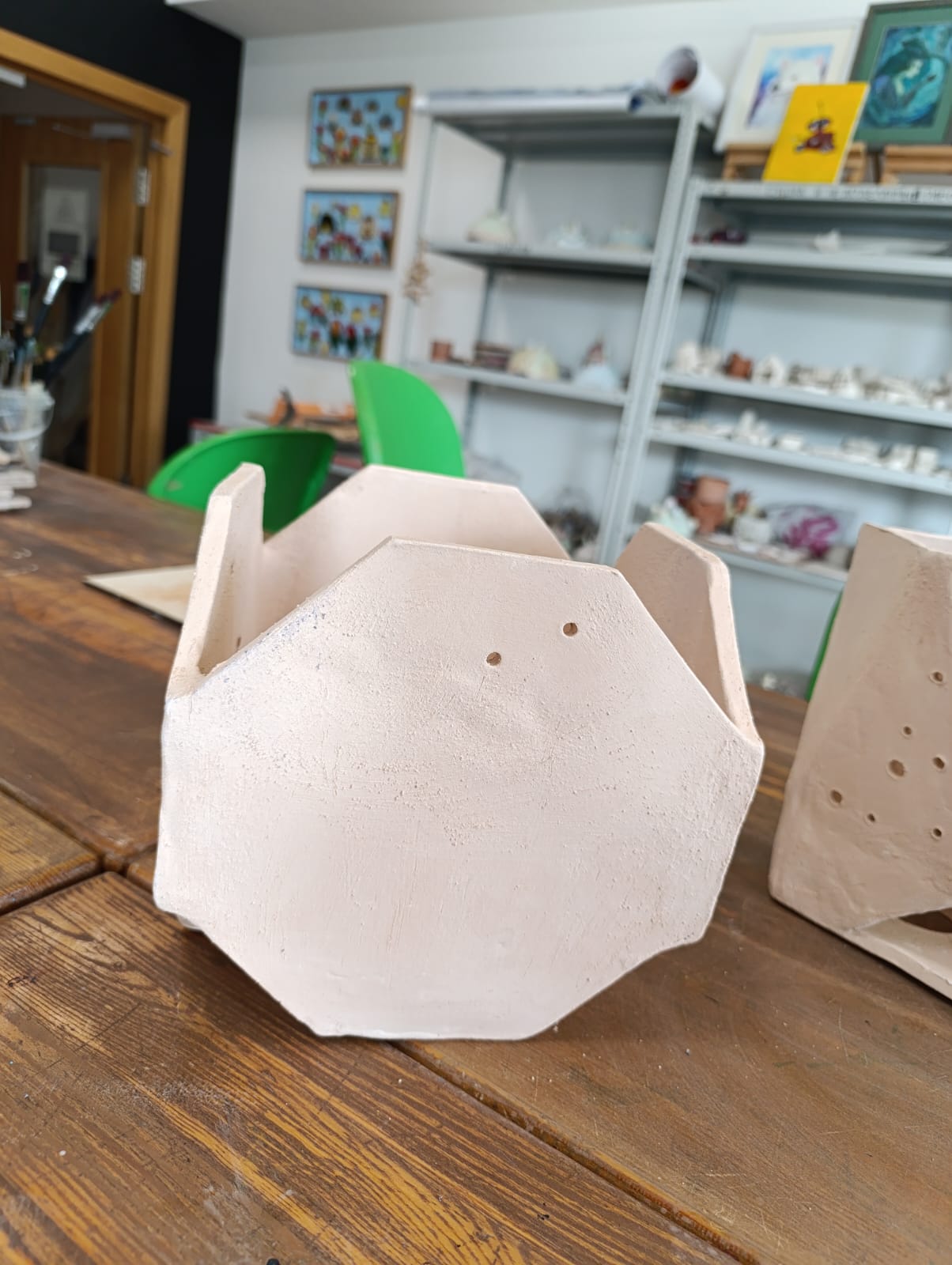
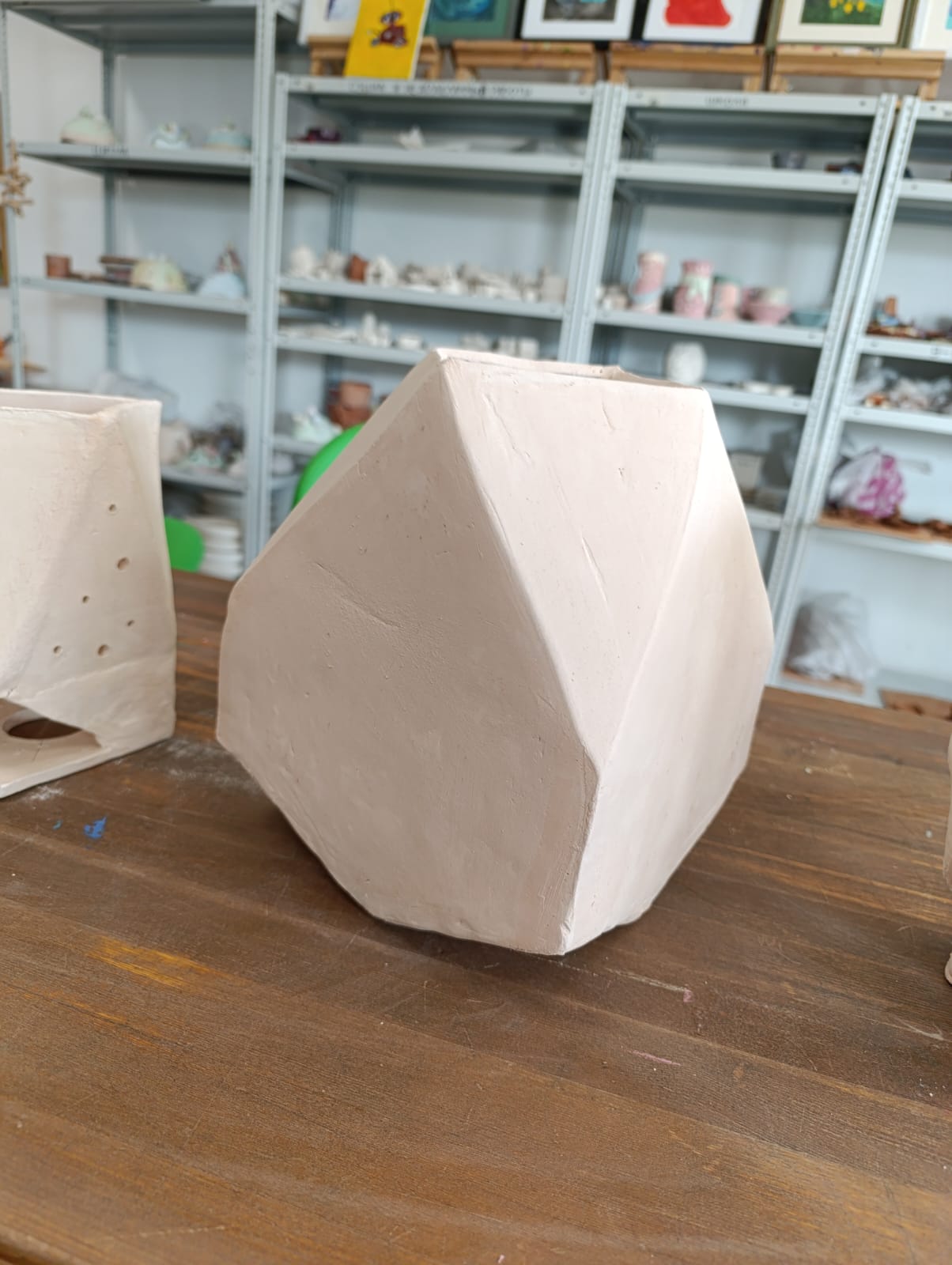
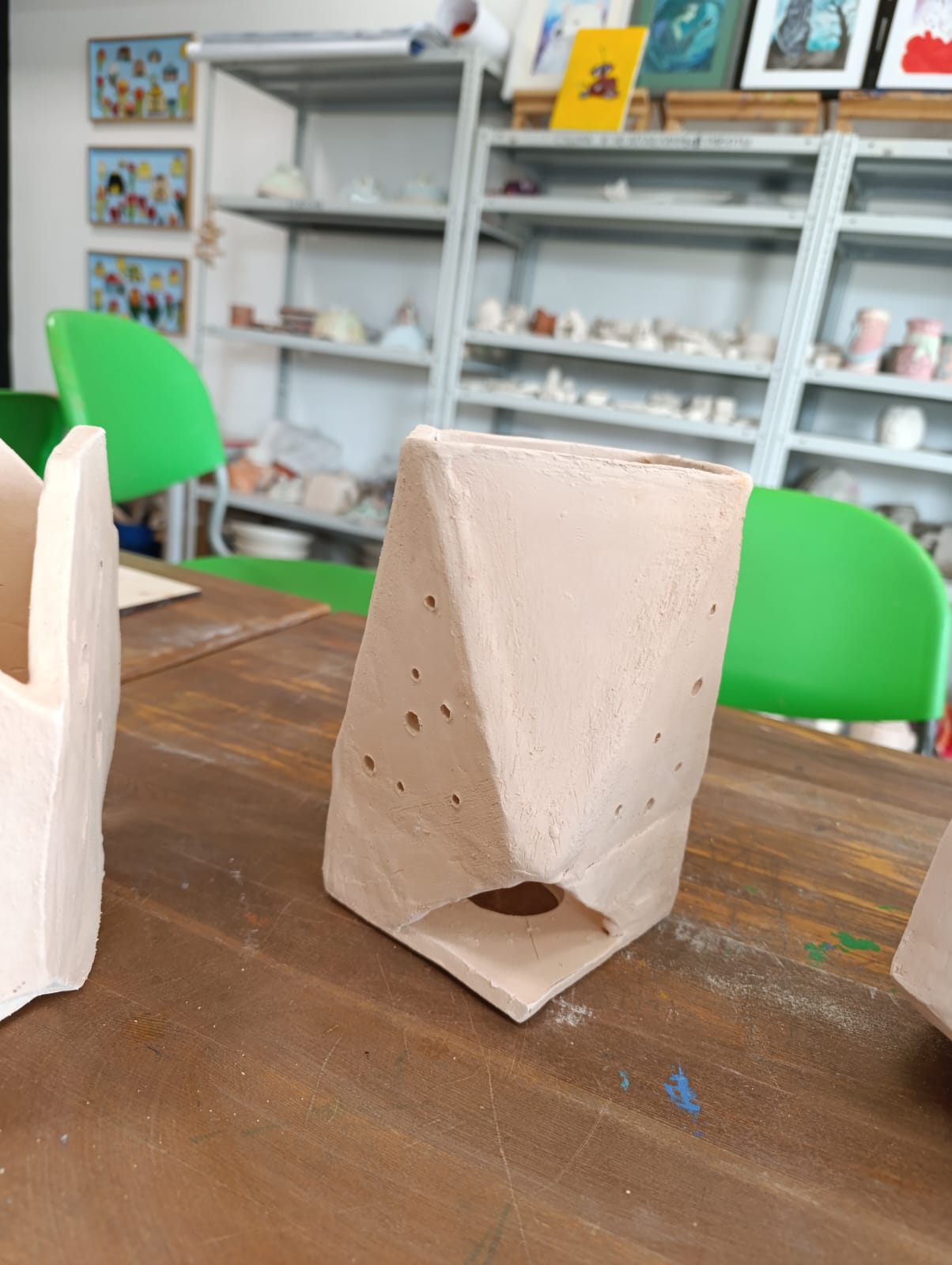
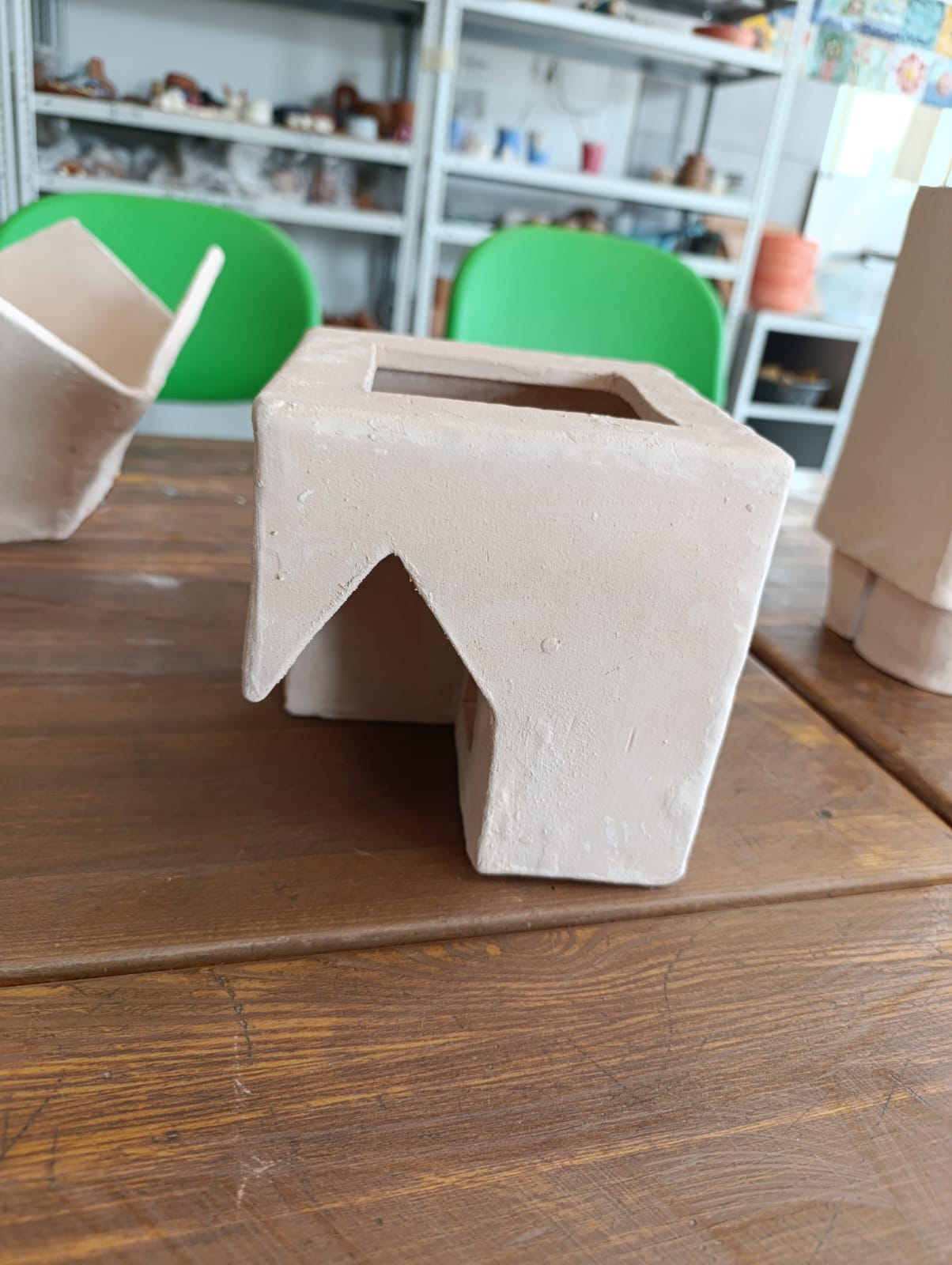
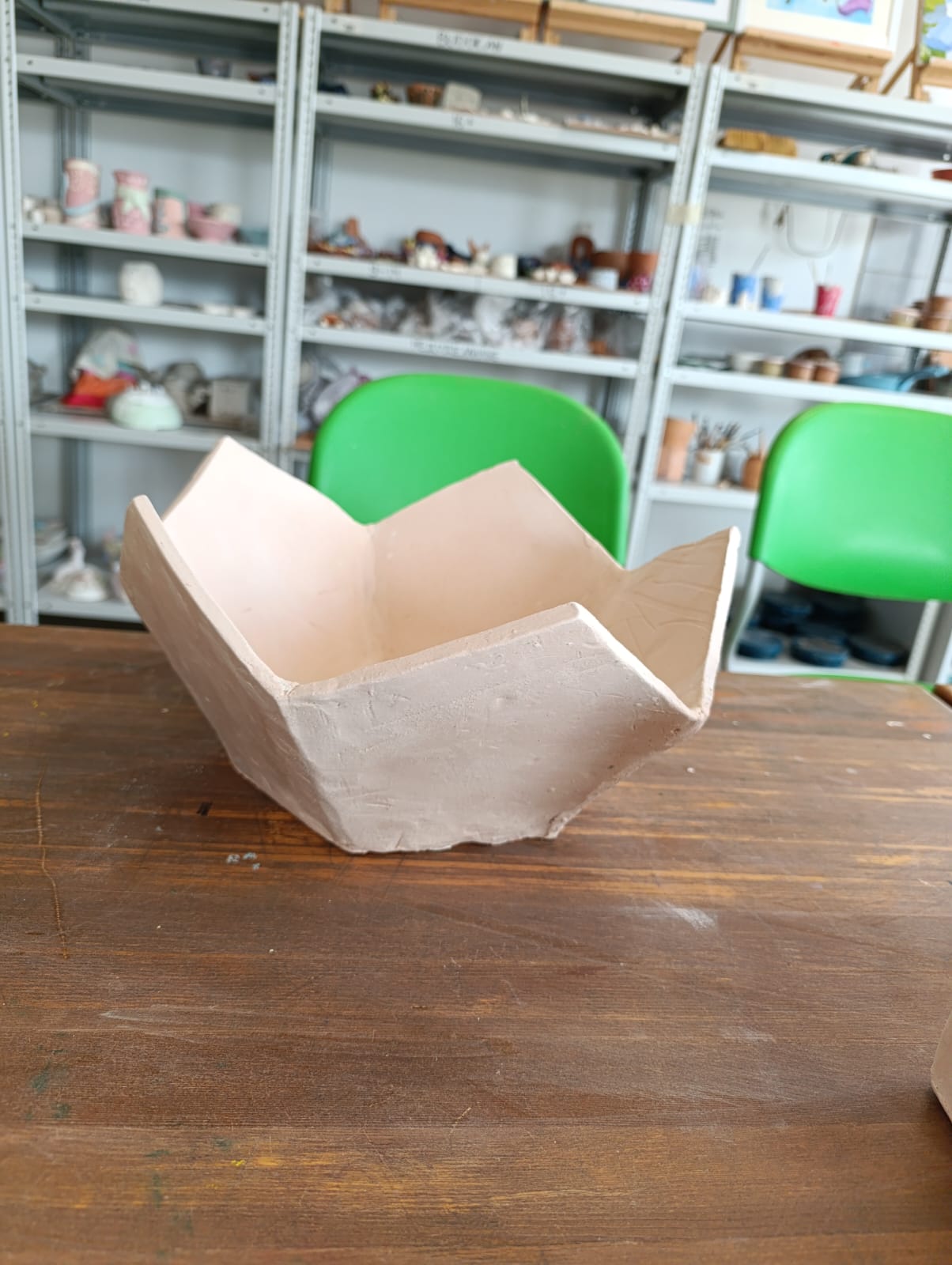
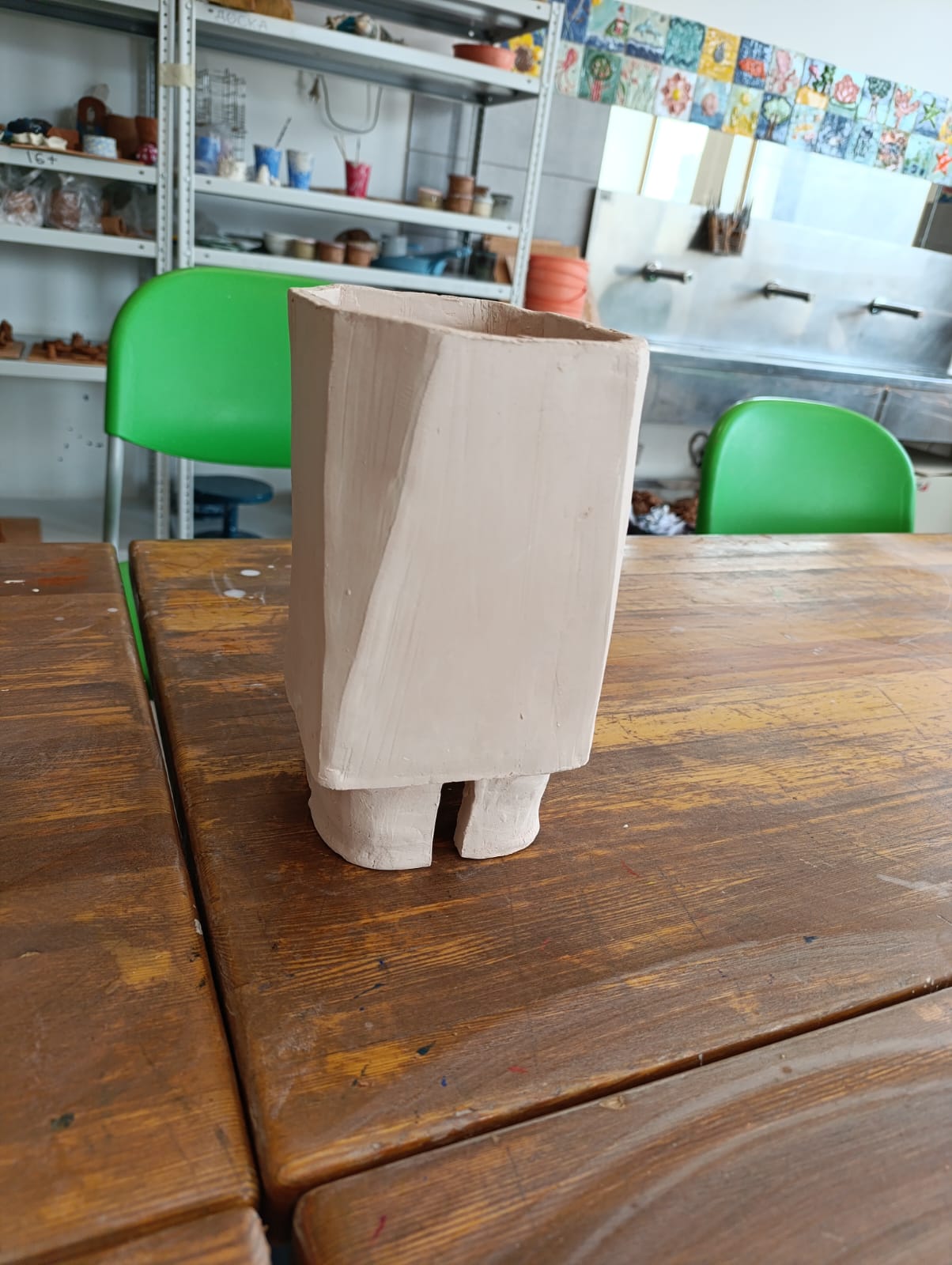
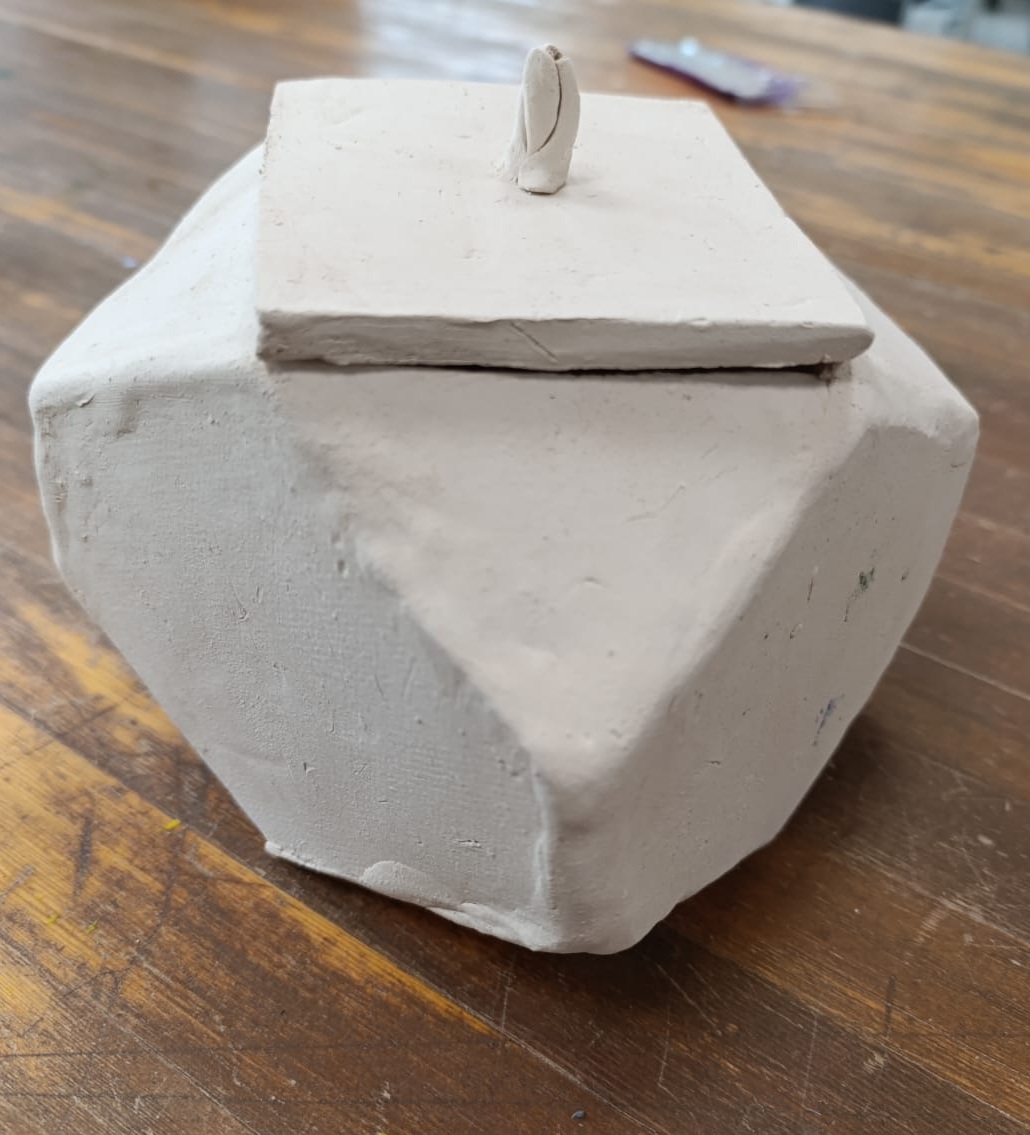
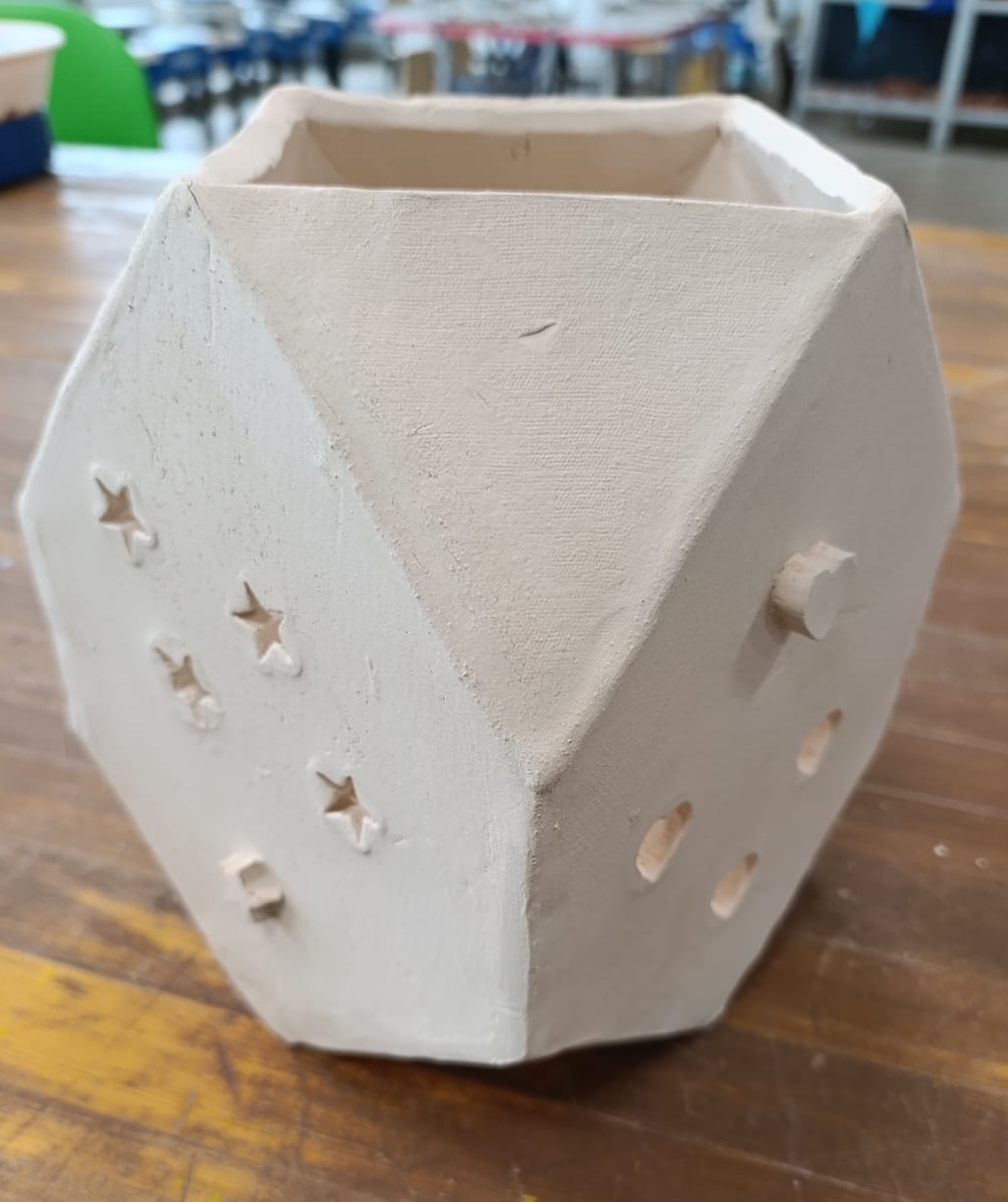
In the second stage, the paper nets created in Stage 1 are used as templates for constructing clay models. Students carefully transfer measurements from paper to clay, ensuring proportional accuracy and structural integrity.
Each participant molds their individual polyhedron, refining edges and faces to match the original net. This hands-on work allows students to understand the transformation from flat templates to three-dimensional solids, reinforcing geometric concepts in a tactile way.
By the end of this stage, students have completed clay models ready for decoration and additional functional enhancements, preparing for the final stage of the project.
Gallery
Stage 3: Decoration and Finalization
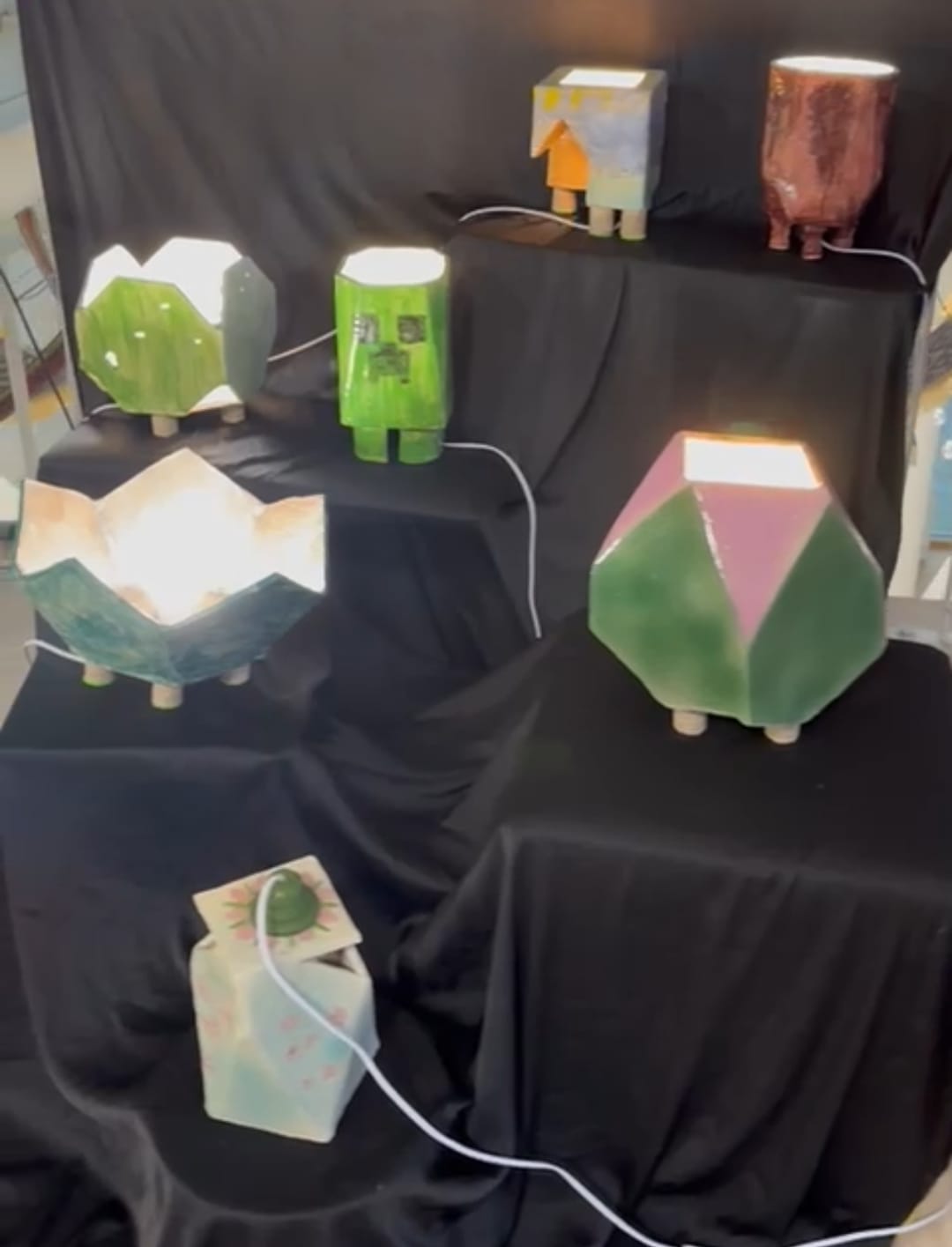
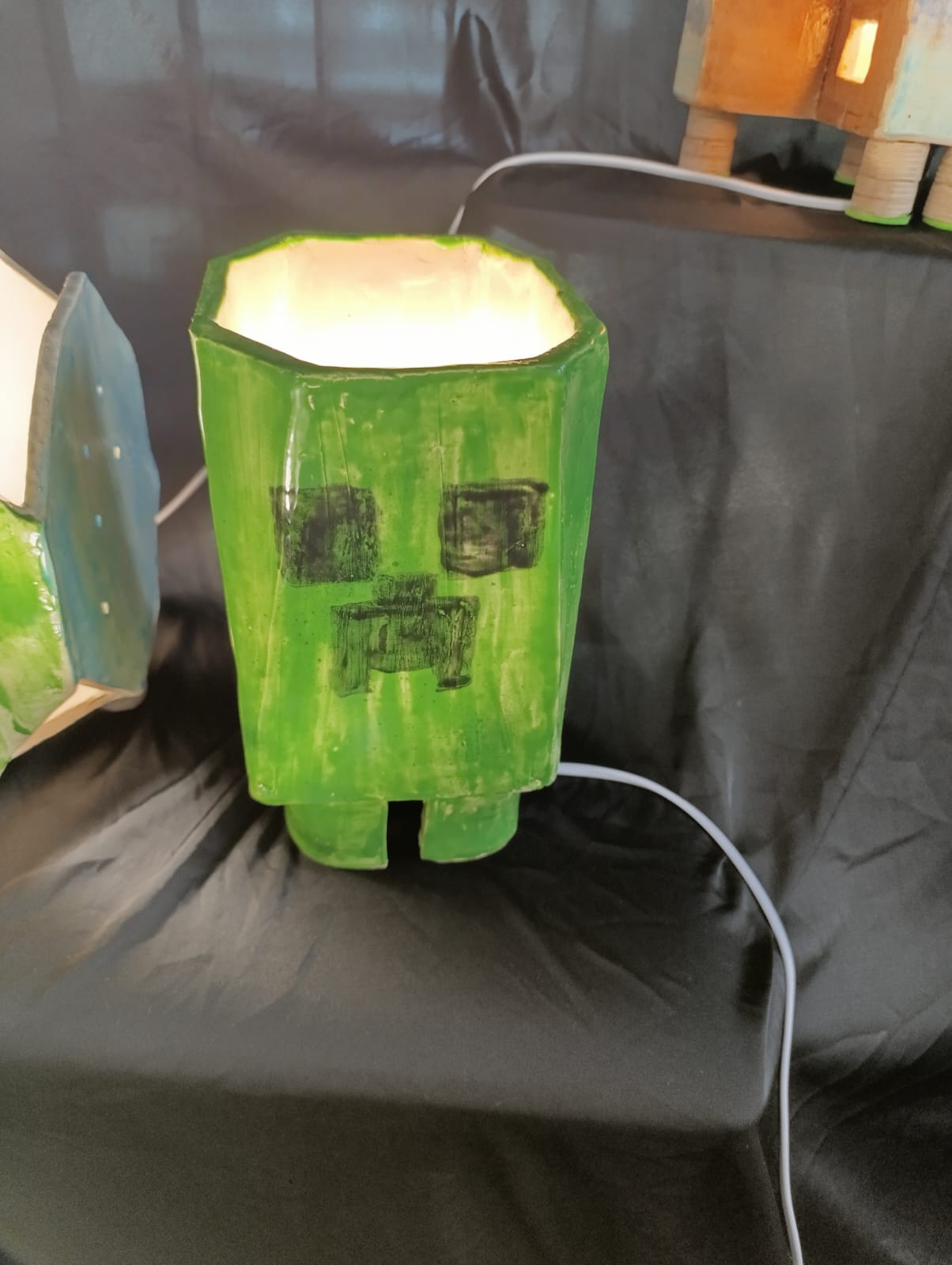
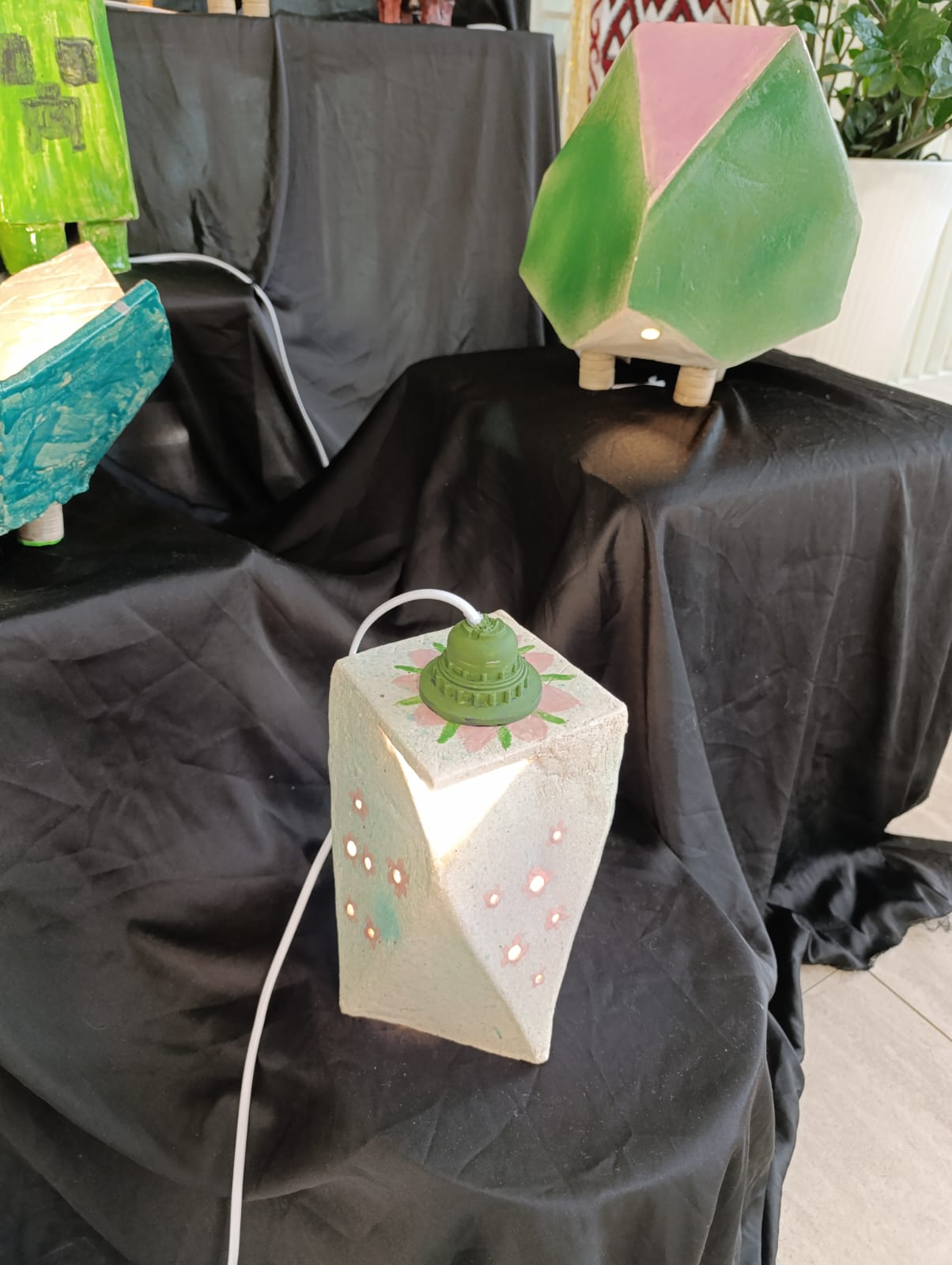
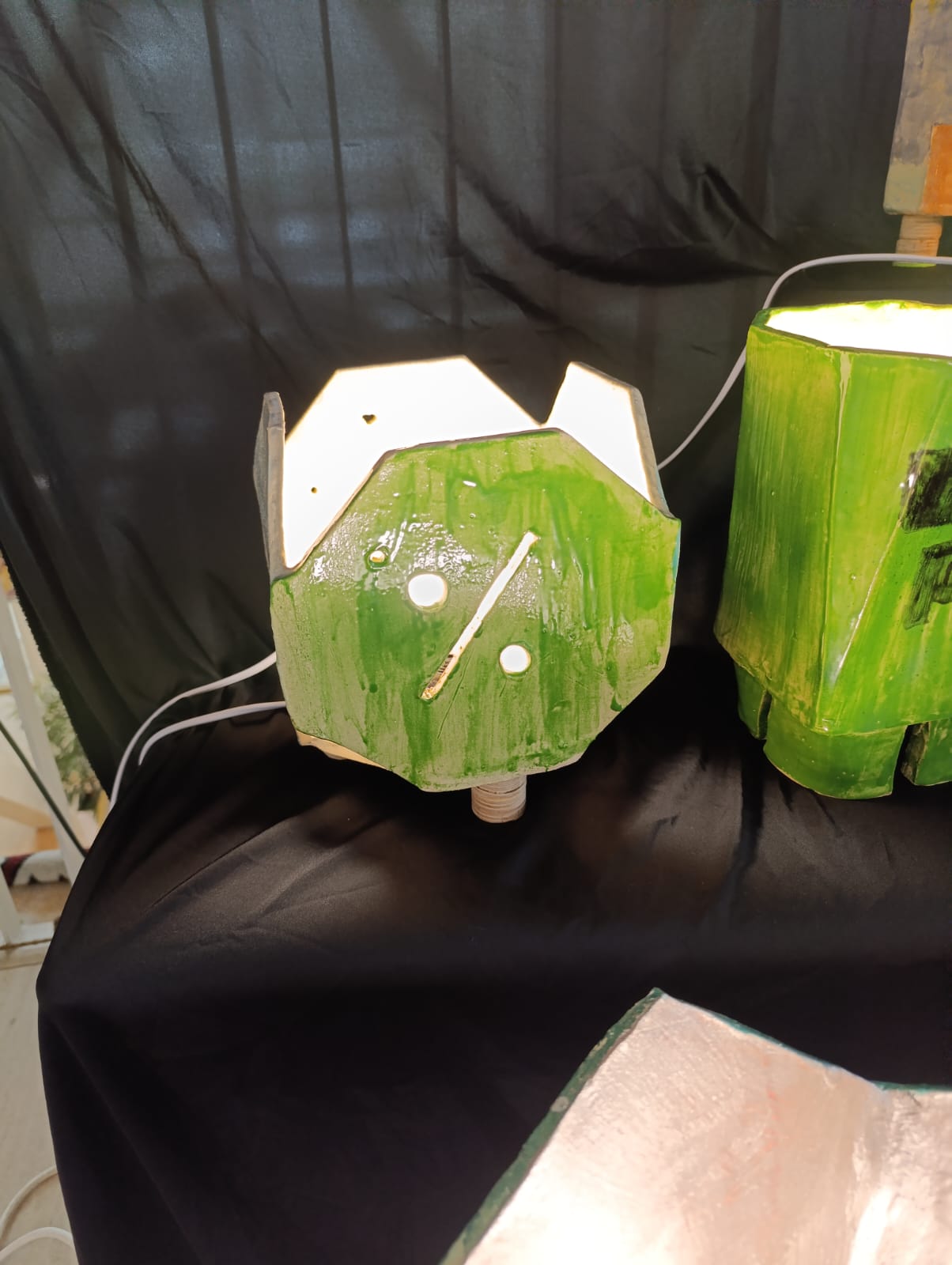
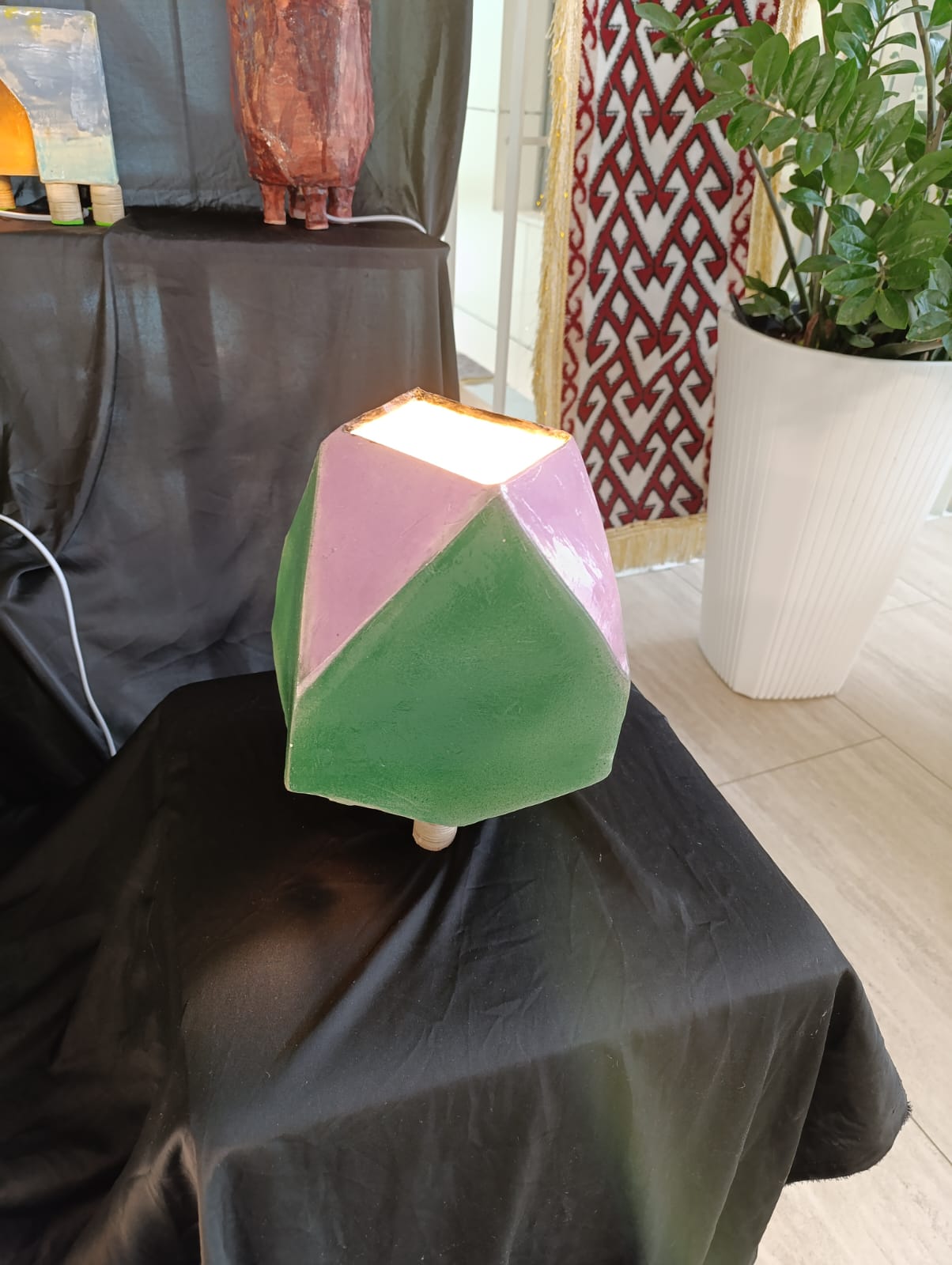
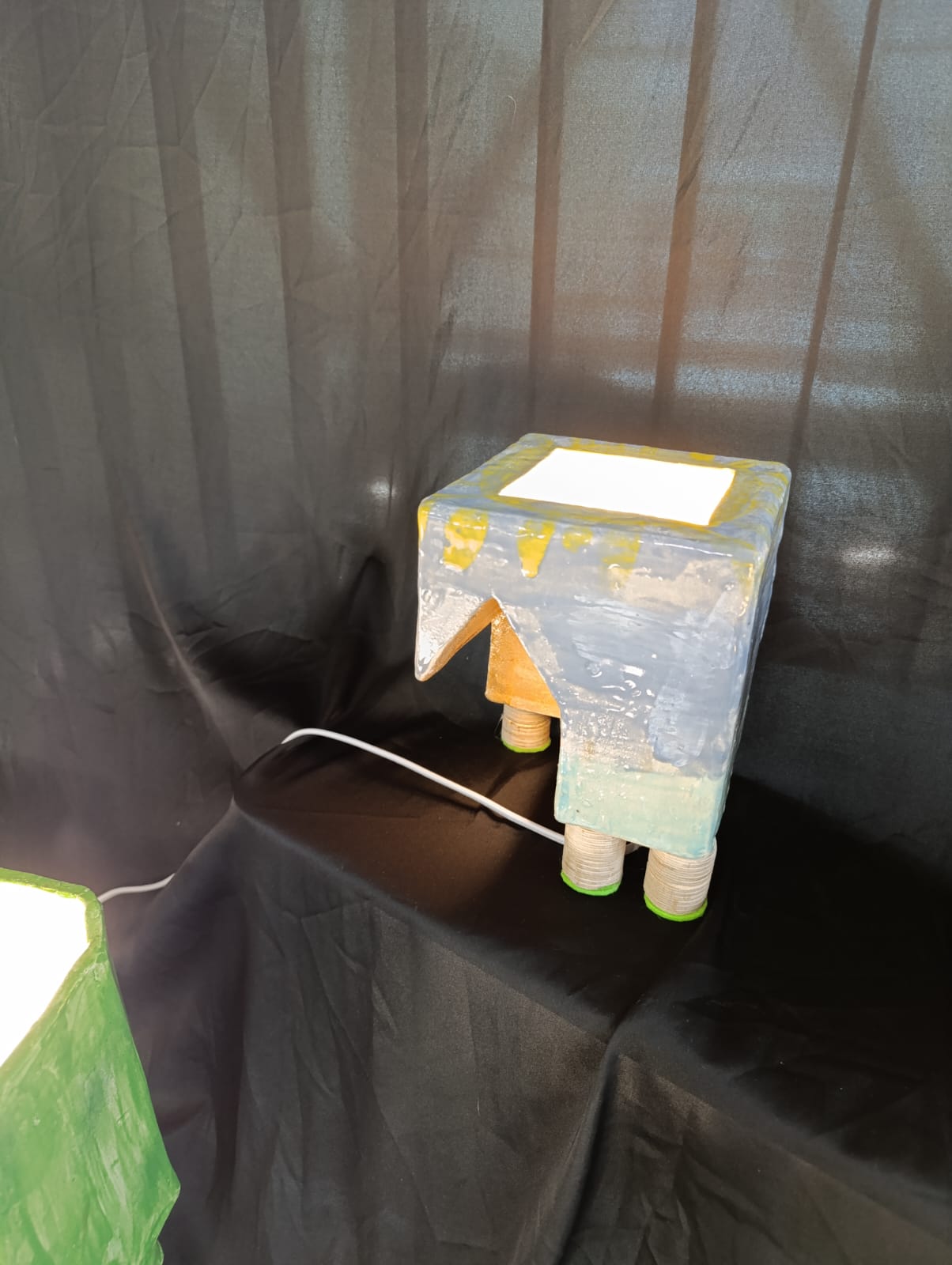
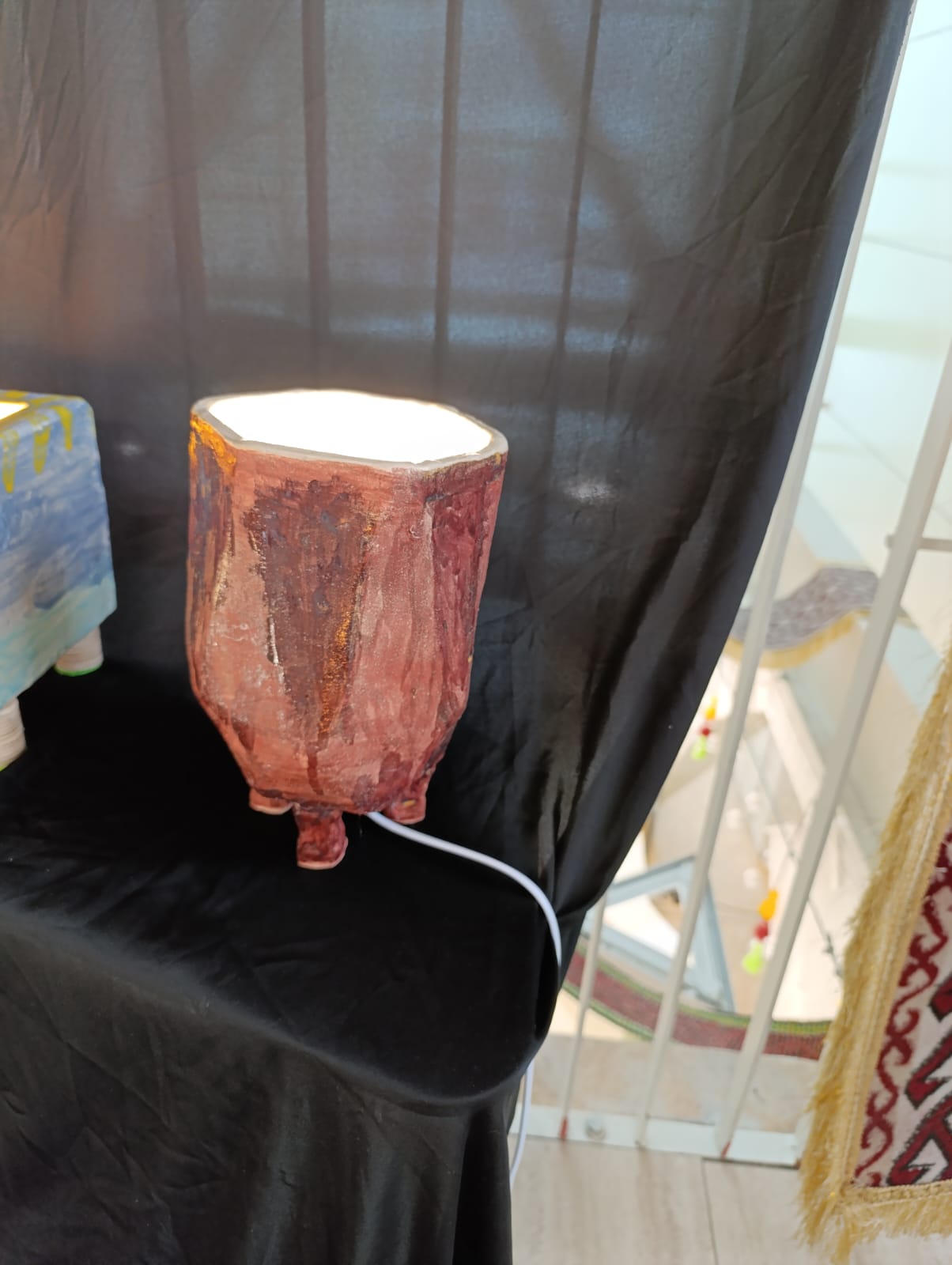
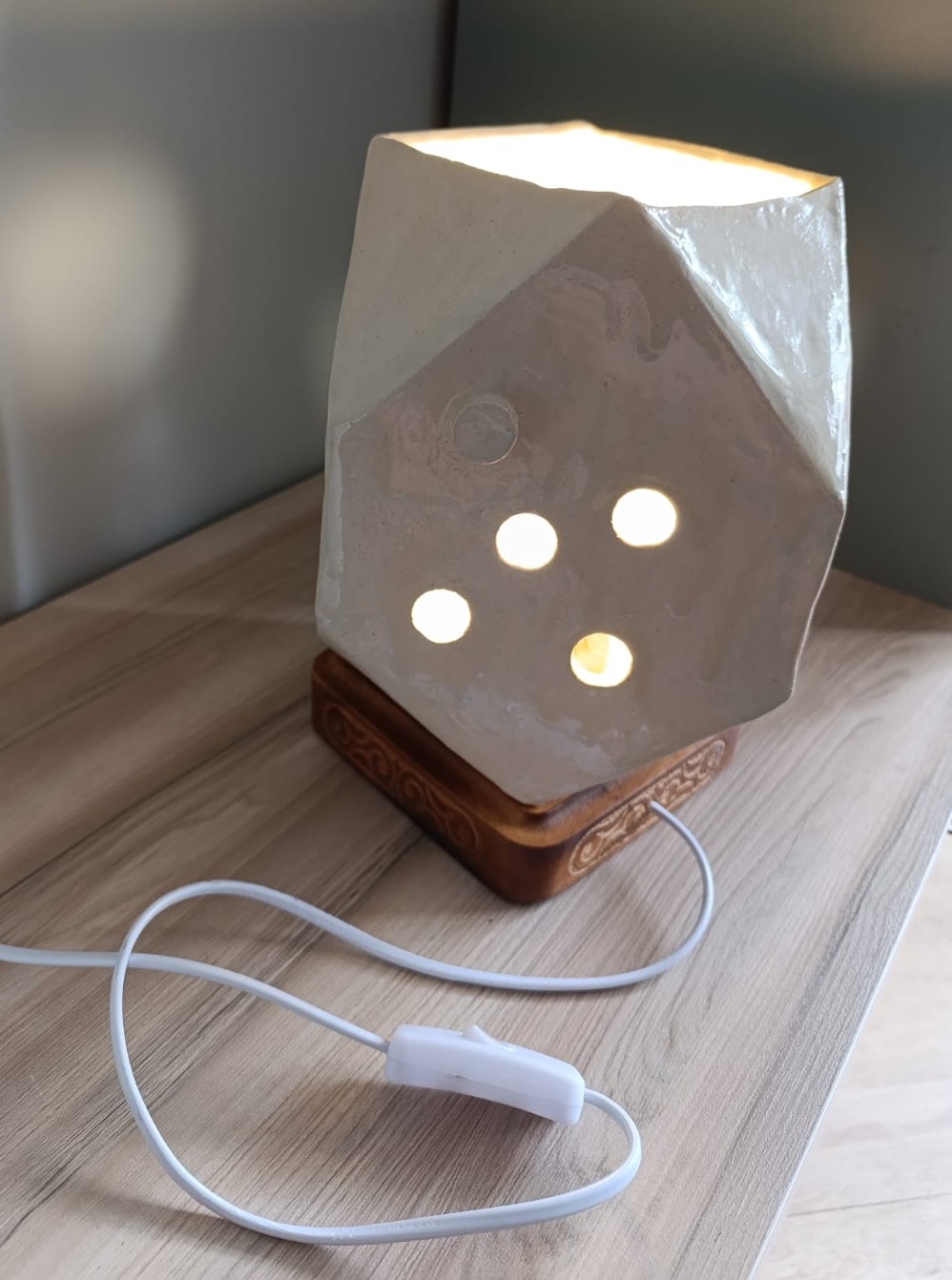
At the third stage, students decorate their clay models, applying colors and textures to highlight faces and edges. Additionally, basic electrical components such as sockets and switches are installed, transforming the models into functional objects.
Teams review the models together, discuss improvements, and ensure that the final products meet design and geometric criteria. Each model demonstrates both mathematical accuracy and aesthetic creativity.
The final output includes fully decorated and electrified clay polyhedra. Students also complete worksheets to reflect on the process, comparing initial hypotheses with the final results, and documenting lessons learned about geometry, design, and construction techniques.